

Are We Nearing the Point Where Machines Don’t Need Humans Any More?
From forest-traversing robot dogs to AI-native workers, Boyuan Chen's advances in artificial general intelligence are blurring the lines between science fiction and reality.
From forest-traversing robot dogs to AI-native workers, Boyuan Chen's advances in artificial general intelligence are blurring the lines between science fiction and reality.

With an appointment in MEMS, Gallimore discusses his role as provost, Duke’s academic priorities and shift toward AI.

Duke’s Artificial Intelligence for Materials (aiM) program trains graduate students to use AI to accelerate materials discovery.

Mechanical Engineering & Materials Science faculty and students presented on engineering ethics, robotics education, k12 outreach and more at ASEE in Montreal.

Robots that perceive their environment through video cameras are common nowadays, but SonicSense is a robot that uses sound to perceive and evaluate items.

Lynch has overseen growth in students, programs and research during his first three-year term.

Boyuan Chen is developing an open-source platform to automate walking robot design and production using AI and 3D printers.

A team of undergrads took on the challenge of designing a responsive CPR training manikin for their MEMS senior design capstone.

The Symposium on Critical Resources, Minerals, and Materials Joint Efforts showed the research Duke Engineering faculty are conducting on critical minerals like lithium.


Chen’s research focuses on developing full-stack robotics that includes the mechanical structures as well as its AI-based software.
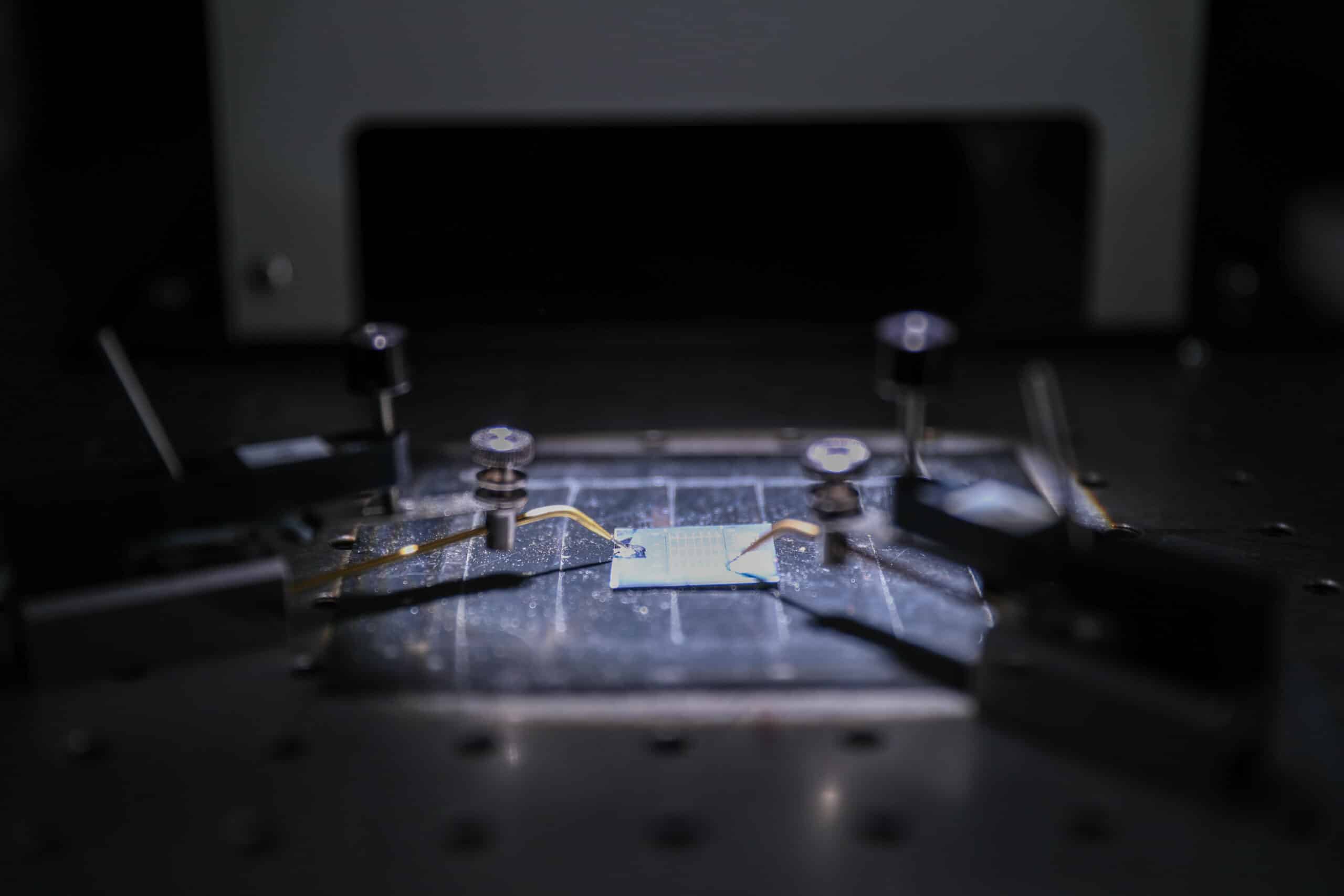
Mitzi was recognized for his significant contributions to the science and technology of photovoltaics, or the conversion of light energy into electricity.